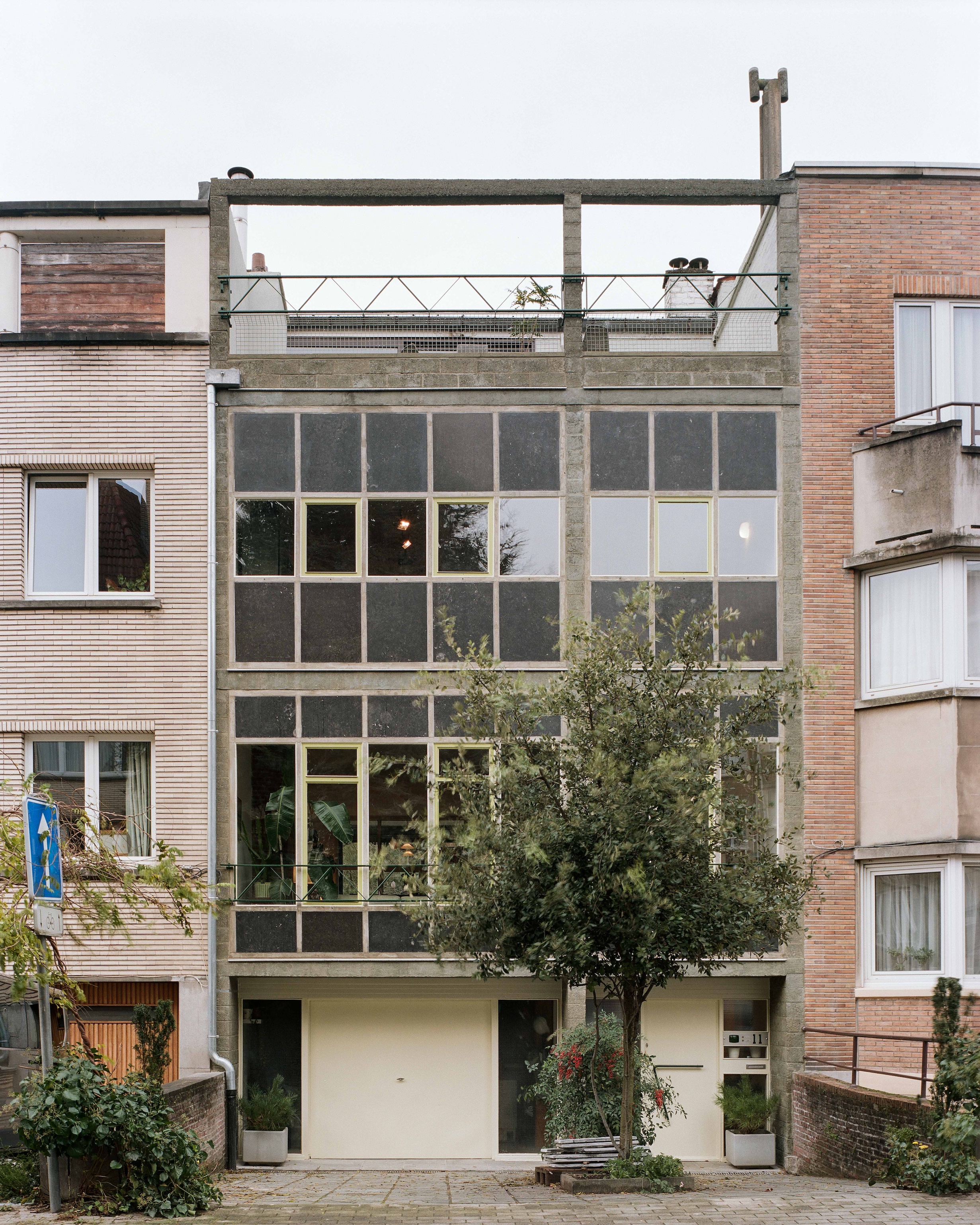
For many design enthusiasts, the term "mid-century modern" evokes images of Palm Springs breezes or Eames loungers. But in the heart of Belgium, a different kind of modernist magic was brewing in 1951. When the current owners first laid eyes on the Moreau House, it wasn't just a property; it was a piece of history. As Willy Van der Meeren’s first residential commission, the Moreau House stands as a landmark of Belgian modernism, a structure that pioneered the "total concept" approach where architecture and interior life are inextricably linked.
Updating such a prestigious home requires what I like to call a "Sensitive Remodel." This isn't a gut renovation where the past is erased; it’s a surgical, thoughtful process of balancing the original 1950s vision with the performance needs of 2026. To achieve a sensitive mid-century modern house remodel, one must focus on restoring original features—such as the iconic overhead plywood cabinets—while introducing materials like Marbrite milk glass tiles to preserve the historical integrity.
Respecting the Bones: The Architectural Legacy of Willy Van der Meeren
Willy Van der Meeren was often considered the "enfant terrible" of Belgian architecture, known for his social commitment and his ability to work with industrial materials. The Moreau House is a masterclass in this philosophy. The structure is defined by its visible concrete slabs and bold, geometric color blocks that give the facade a rhythmic, almost musical quality.
In 1962, a third-floor addition was integrated into the original structure. For a modern renovator, these layers of history present a unique challenge. Unlike contemporary builds, original plans for mid-century gems are often undocumented or lost to time, and strict permit requirements for historical structures mean every change must be justified. Respecting the bones means understanding that the house isn't just a shelter; it’s a curated experience of light and form.
The Kitchen Transformation: A Masterclass in Material Preservation
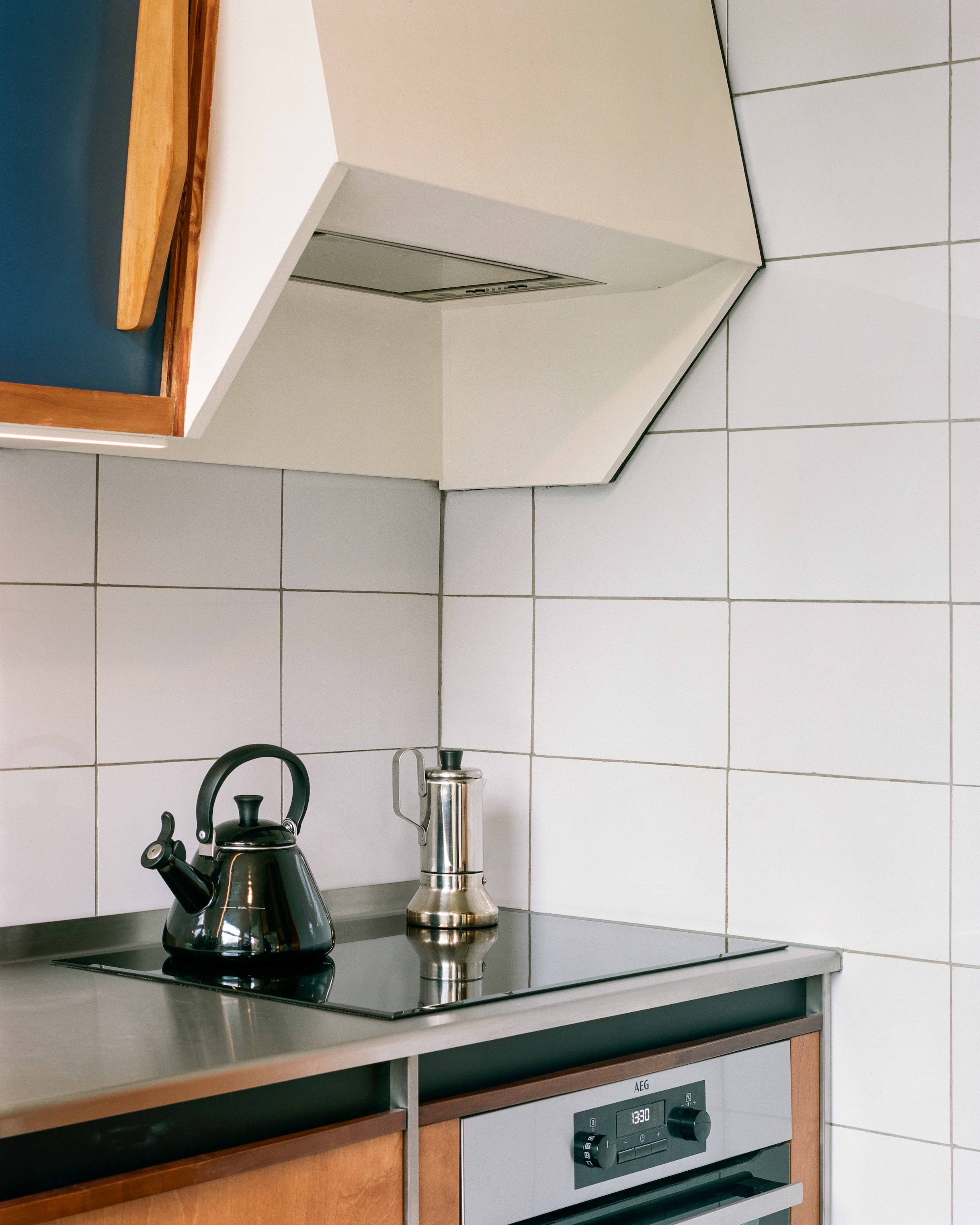
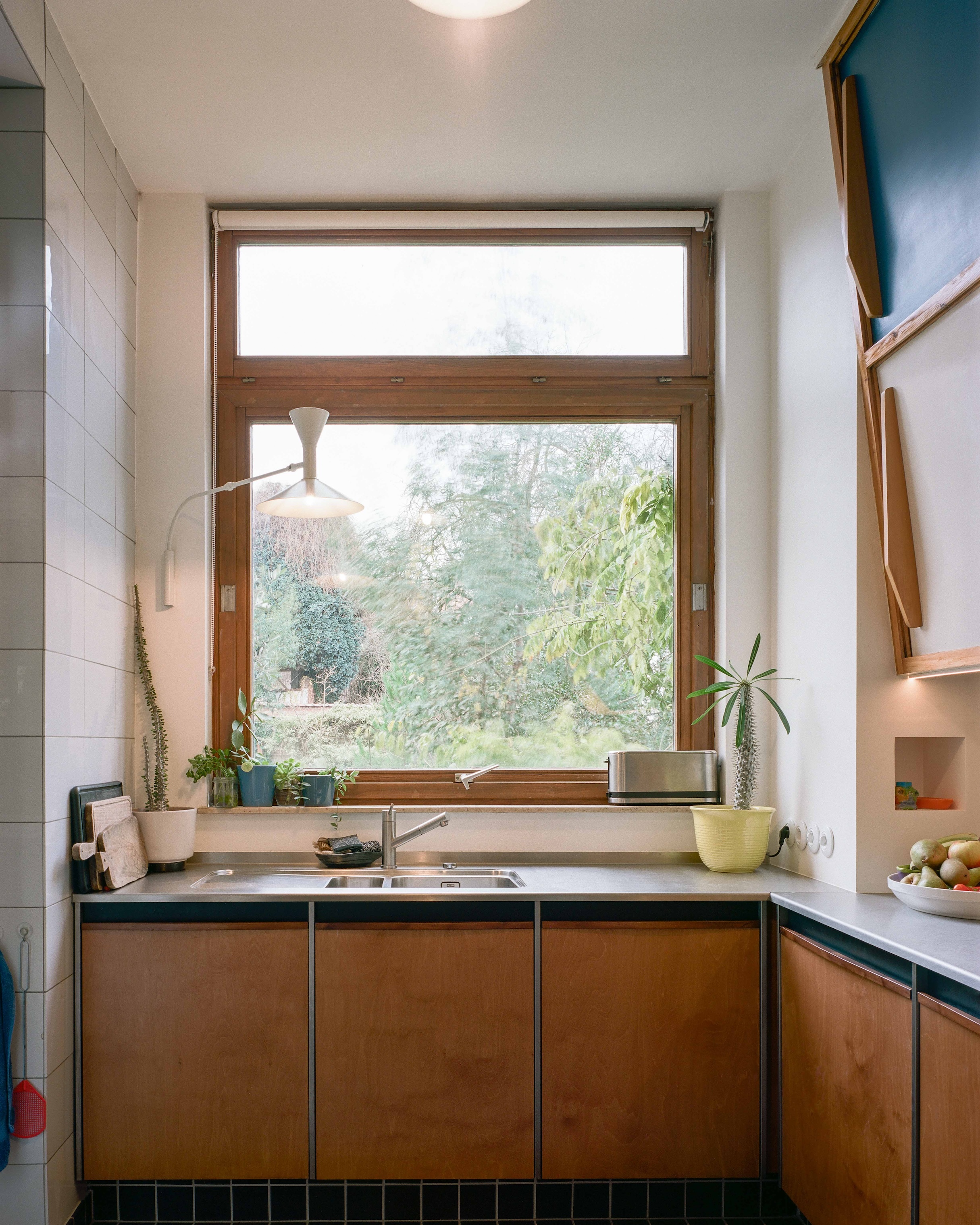
The kitchen is where most remodels go wrong, often leaning too hard into "modern-minimalist" and losing the soul of the era. In the Moreau House, the goal was to "recapture the original punch." This started with a radical decision: shoring up and restoring 100% of the original painted plywood overhead cabinets. These canted units are more than storage; they are the visual anchor of the room.
Editor’s Tip: When restoring original cabinetry, don't just paint over the history. Strip the layers back to understand the original color palette—often primary reds, yellows, or deep blues—and use a high-quality matte finish to replicate the period-appropriate look.
The project successfully retained 100% of its original 1951 upper cabinetry, a feat that required structural reinforcement but paid off immensely in preserving the home's "authentic" feel.
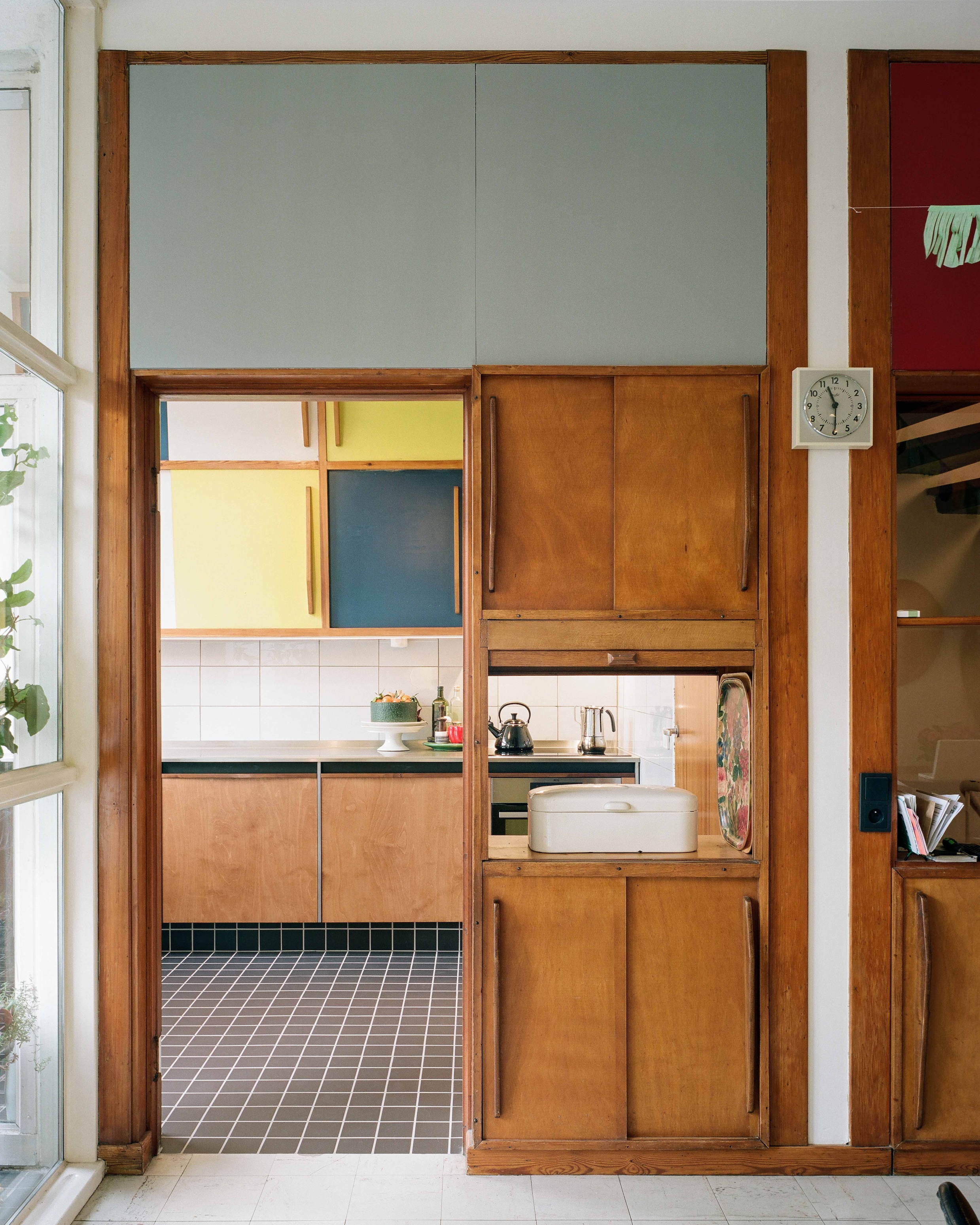
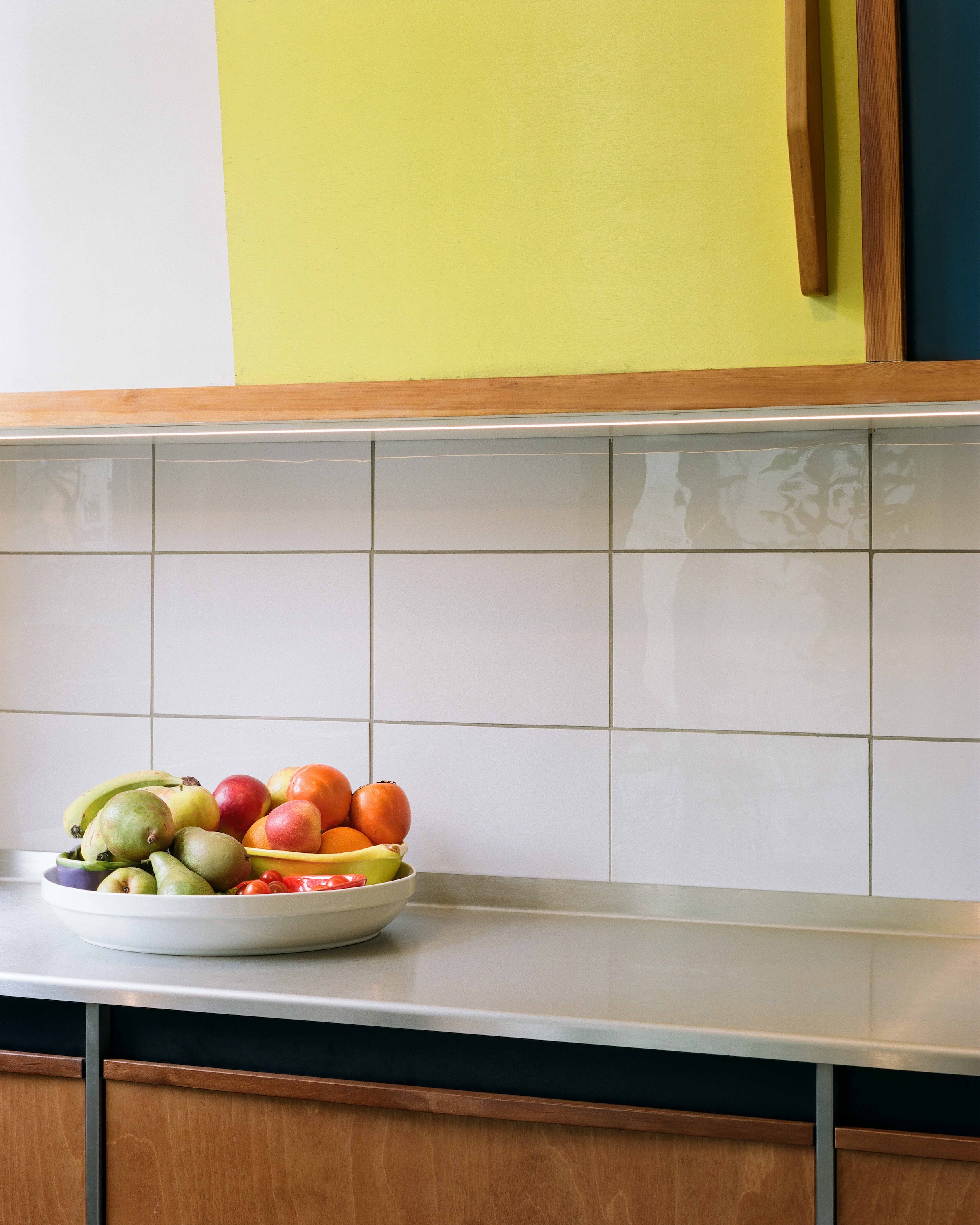
To complement the restored uppers, the design team turned to historical materials. They sourced Marbrite milk glass tiles for the backsplash—a post-WWII material famously used in Belgian modernist interiors. These tiles offer a soft, luminous quality that modern ceramic simply cannot replicate. For the flooring, Uni Black Porcelain tiles from Zahna were chosen for their durability and their ability to ground the vibrant colors of the room.
Modern Performance: Integrating 2026 Functionality
A sensitive midcentury kitchen renovation shouldn't feel like living in a museum. We need induction ranges that boil water in seconds and dishwashers that don't sound like a freight train. The challenge is hiding this tech within a 1950s grid.
The solution at the Moreau House was a "Practical but Timeless" approach for the lower cabinetry. Since the original lowers were beyond repair, new units were crafted from birch plywood with solid maple handles. This choice provides a warm, organic contrast to the industrial elements of the home.
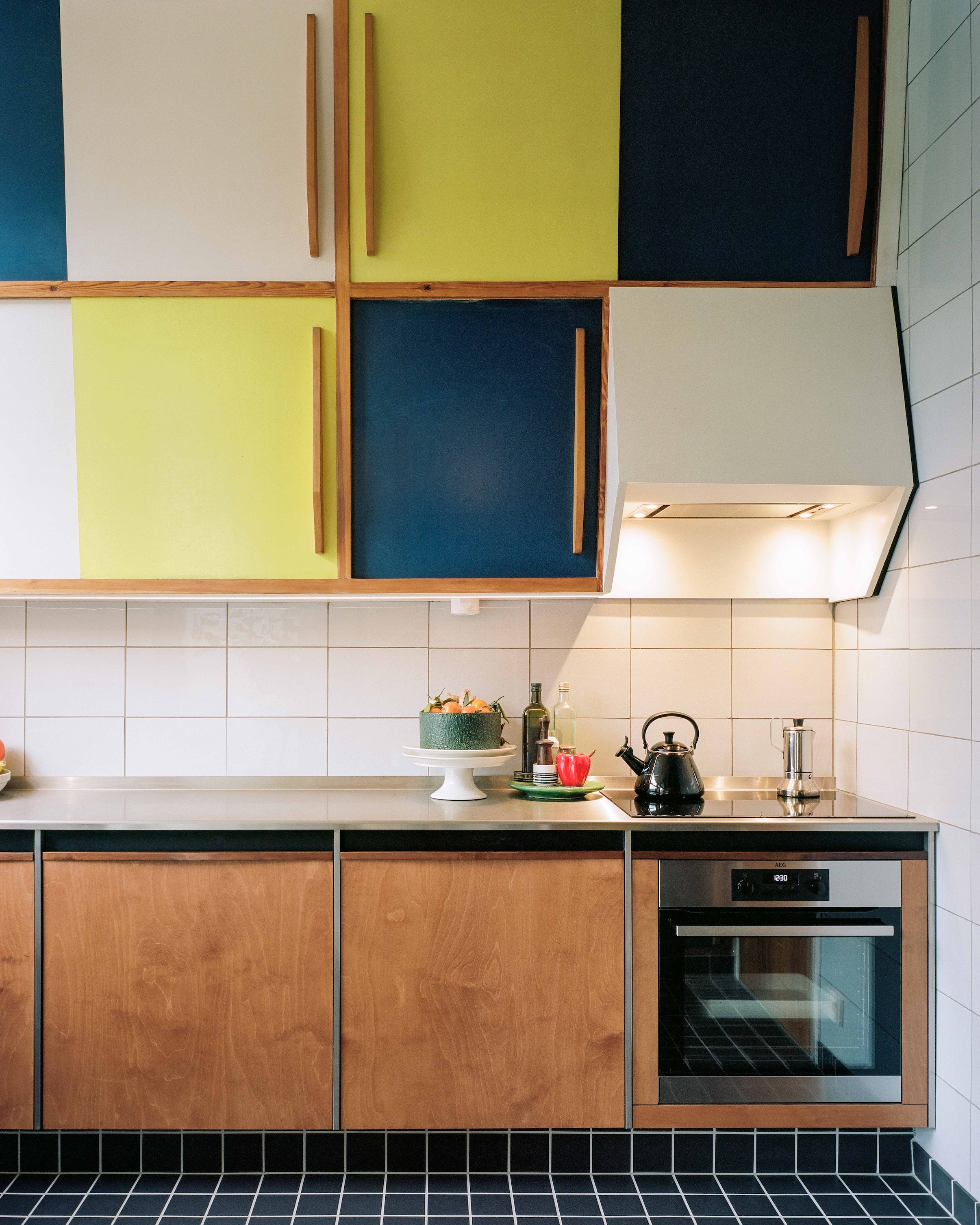
Updating a 1950s kitchen requires integrating modern AEG induction ranges and concealed dishwashers into classic stainless steel and birch plywood layouts. By choosing appliances with clean, flush profiles, the technology disappears into the cabinetry, allowing the architectural lines to take center stage.
Mid-Century Modern Design Principles for the Contemporary Home
Whether you live in a Van der Meeren masterpiece or a standard suburban ranch, these principles can guide your next update:
- Clean Lines and Geometric Forms: Look for furniture with tapered legs and sculptural silhouettes. In the Moreau House, lighting plays a pivotal role. Icons like Le Corbusier’s Lampe de Marseille provide both functional task lighting and a bold artistic statement.
- A Saturated Palette for 2026: While the 1950s were famous for primary colors, modern updates are leaning toward a "new" modernist color palette design. Think deeper olive greens, mustard yellows, and earthy terracottas paired with the original primary accents.
- The "Less is More" Approach: Avoid the "museum replica" feel. Blend your vintage finds with contemporary essentials. A vintage dining table looks incredible paired with modern, high-comfort seating.
The Investment Value of Sensitive Restoration
I often tell my readers: just because you can gut a house doesn't mean you should. In the world of Mid-Century Modern (MCM) real estate, original features are currency.
Statistics show that mid-range kitchen and bath improvements in mid-century homes typically recoup a higher share of investment at resale compared to high-end luxury gut-renovations. Buyers in this market are specifically looking for the "soul" of the house. When you preserve the original upper cabinetry and use period-correct materials, you aren't just decorating; you're protecting an asset.
Before embarking on a restoration, it’s vital to address the unglamorous side of MCM living. These homes often feature low-slope roofs and large, single-pane glazing.
| Feature | Maintenance Priority | Sensitivity Note |
|---|---|---|
| Roofing | Inspect low-slope membranes | Ensure insulation doesn't alter the slim roofline. |
| Glazing | Check seals on single-pane glass | Consider internal "slim" double-glazing to preserve original frames. |
| Cabinetry | Reinforce hinges and joints | Use original hardware where possible; replicate where not. |
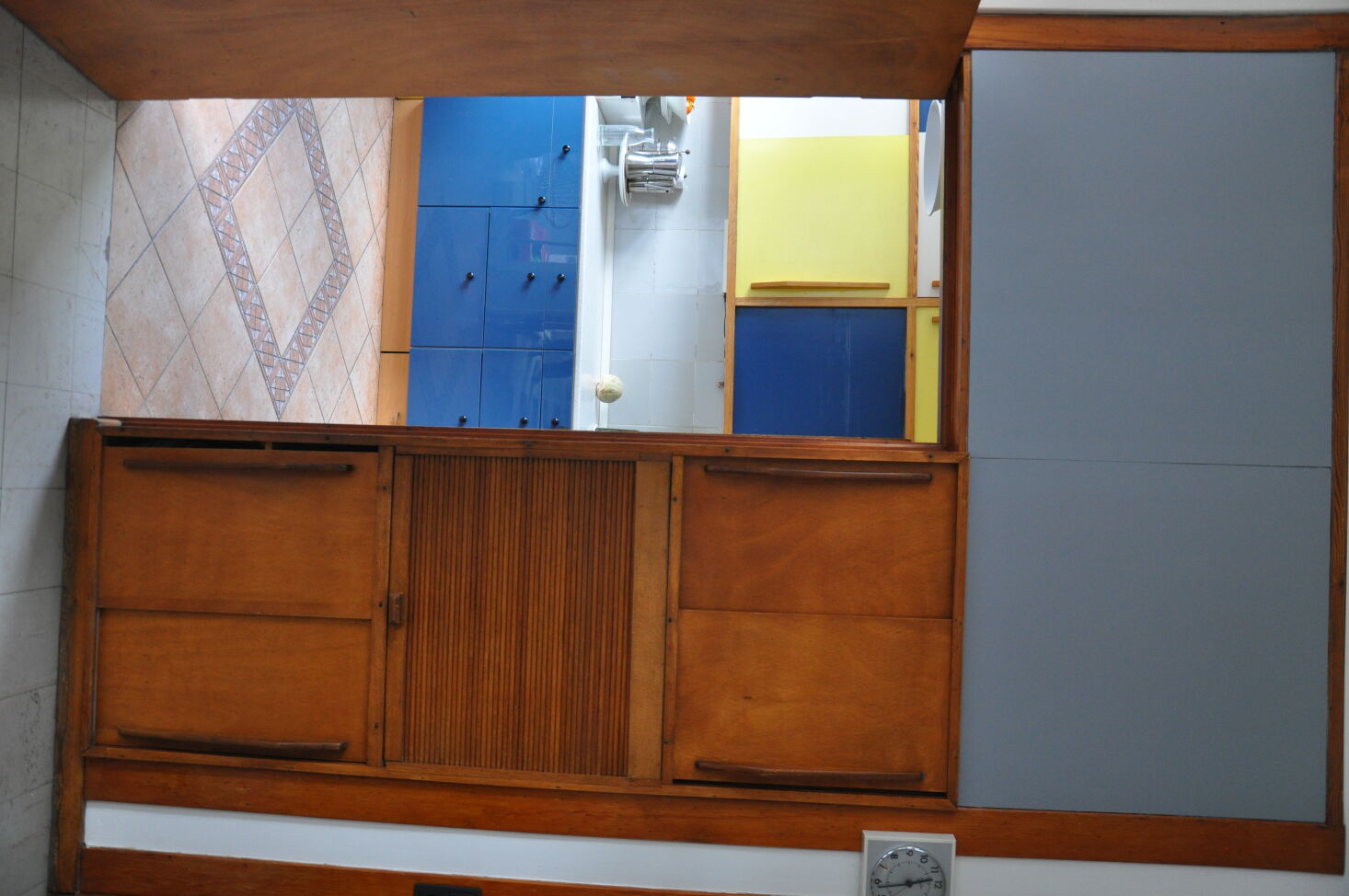
Before the restoration, the Moreau House had suffered from non-original additions that clashed with the architect’s intent. Seeing the "before" state reminds us why a sensitive touch is so necessary—it’s about stripping away the clutter to let the original genius shine.
FAQ
Q: Can I use modern materials in a 1950s house without ruining the vibe? A: Absolutely. The key is "material honesty." Birch plywood, stainless steel, and porcelain tiles are all modern-day staples that echo the industrial, functional spirit of the 1950s. Avoid "faux" materials like plastic wood-grain laminates.
Q: How do I choose a color palette that feels authentic but not dated? A: Start with a neutral base (like white or light grey concrete tones) and add "pops" of color in specific zones—like a single yellow cabinet door or a blue backsplash. This mirrors the original modernist approach to color-blocking.
Q: Is it worth saving old cabinets if they are made of plywood? A: Yes. Mid-century plywood was often higher quality than today’s mass-produced versions. If the boxes are sturdy, shoring them up is more sustainable and maintains the unique proportions (like canted uppers) that define the era.
The Moreau House serves as a beautiful reminder that we are merely stewards of the spaces we inhabit. By choosing a sensitive remodel over a total overhaul, we preserve the stories told by architects like Willy Van der Meeren while making room for our own modern chapters. Happy styling!