For years, the design world looked toward the heavy weights of heritage hardwoods—oak, walnut, and mahogany—to define luxury. But as we pivot toward a future where sustainability is the ultimate form of refinement, a new protagonist has emerged from the fringes. Eucalyptus, once dismissed as an invasive industrial material or a mere source of essential oils, is undergoing a sophisticated rebranding. It is the secret to warmth in the modern interior, offering a unique blend of "Quiet Luxury" and environmental responsibility.
Eucalyptus wood has become a premier sustainable choice for modern interiors because it can be seamlessly repurposed from invasive species, utilizes exceptionally rapid growth cycles, and maintains a low carbon footprint through localized manufacturing. When paired with innovative solar-curing technologies, it represents a bridge between high-end architectural aesthetics and eco-conscious living.
The 'Warm Eucalyptus' Palette: The Defining Color of 2026
If 2024 was about the vibrant "unexpected red" and 2025 embraced grounded terracottas, 2026 is poised to be the year of Warm Eucalyptus. As forecasted by industry leaders like Valspar, this specific shade is far more than just a "green." It is a serene green neutral that masterfully balances cool blue and warm yellow undertones, designed to evoke a restorative, hotel-worthy retreat atmosphere within the home.
The psychological impact of Warm Eucalyptus is profound. In an era of digital fatigue, this palette acts as a visual palette cleanser. It doesn’t demand attention; rather, it provides a backdrop that connects indoor spaces with the organic rhythms of nature. It’s the color of a foggy morning in a coastal forest—a hue that feels both expansive and protective.
Pro Styling Tip: To master the 2026 look, don't treat Warm Eucalyptus as an accent color. Treat it as a neutral. Apply it to all four walls of a study or bedroom to create a "monochromatic cocoon" that feels infinitely more sophisticated than traditional beige or grey.
Sustainable Sophistication: The Eco-Friendly Case for Eucalyptus
As an editor, I am often asked if "sustainable luxury" is an oxymoron. With Eucalyptus, the answer is a resounding no. The beauty of this material lies in its origin story. Unlike slow-growing hardwoods that can take 50 to 100 years to reach maturity, Eucalyptus species are known for their rapid-growth cycles, often reaching harvestable size in just 10 to 15 years.
Furthermore, the industry is shifting toward a model of diversified forestry. By sourcing wood from small-scale forest owners, designers are helping to move away from monoculture plantations. This shift has a tangible economic impact: repurposing eucalyptus wood for high-end hospitality and residential design significantly increases the economic value for these local owners compared to the lower rates offered by the traditional paper and pulp industry. It is a material that supports communities while shielding the planet.
Beyond Aesthetics: Technical Superiority and Durability
While the color and the eco-story are compelling, the technical benefits of eucalyptus are what truly solidify its place in the modern home. It is a remarkably "hard" hardwood, often outperforming white oak in terms of Janka hardness ratings.
Its natural moisture resistance makes it a chameleon in the home, moving from the dry heat of a living room to the humid environment of a primary suite bathroom without flinching. The grain is exceptionally smooth and tight, which allows it to take finishes—whether a matte natural oil or a deep, moody stain—with a level of uniformity that is hard to achieve with more porous woods.
Perhaps the most exciting advancement in eucalyptus production is the leap in seasoning technology. Traditionally, eucalyptus required up to 18 months of air-drying to stabilize the wood and prevent warping. Today, advanced solar vacuum wood dryers have revolutionized the timeline.
| Feature | Traditional Air Seasoning | Advanced Solar Vacuum Drying |
|---|---|---|
| Duration | 18 Months | 6 Days |
| Efficiency Increase | Baseline | 98.9% |
| Energy Source | Ambient Air | Solar Energy |
| Warping Risk | Moderate | Low (Controlled Environment) |
This 98.9% increase in production efficiency doesn't just lower costs; it drastically reduces the carbon footprint associated with long-term storage and energy-intensive kiln drying.
Room-by-Room: Applying the Eucalyptus Trend
Incorporating this trend isn't just about buying a single chair; it's about a holistic approach to texture and tone. Here is how I’m seeing the best designers utilize eucalyptus across the home:
The Kitchen: Modern Farmhouse 2.0
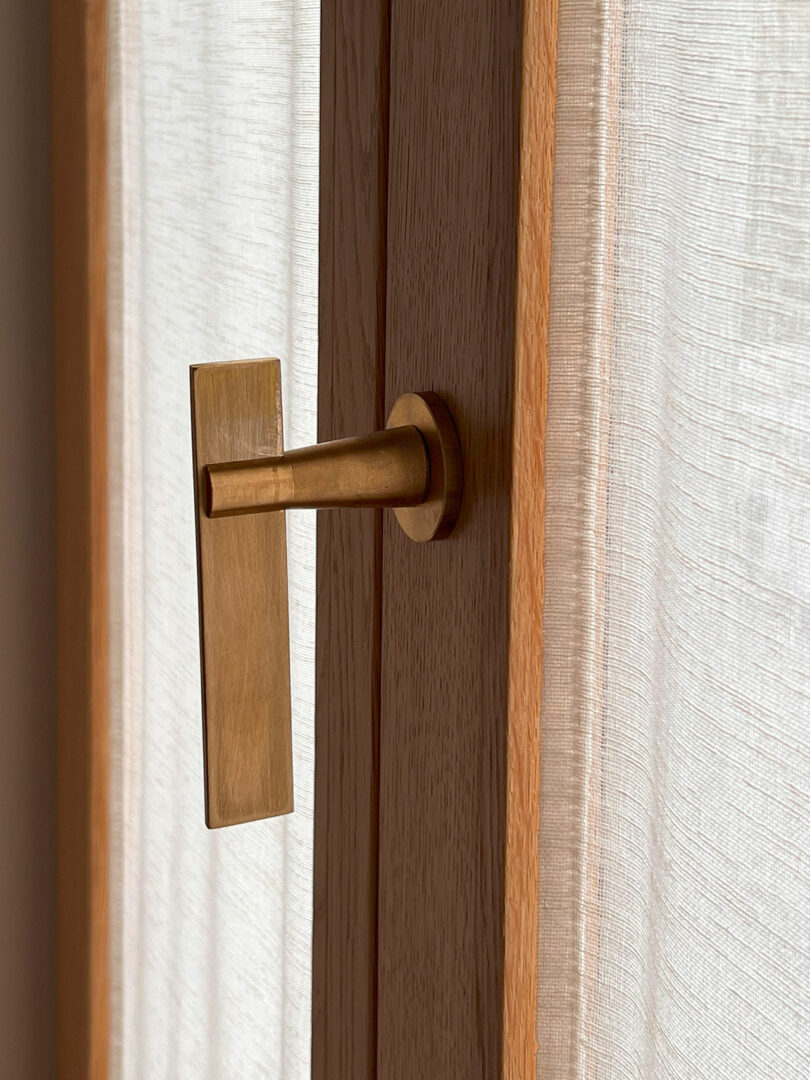
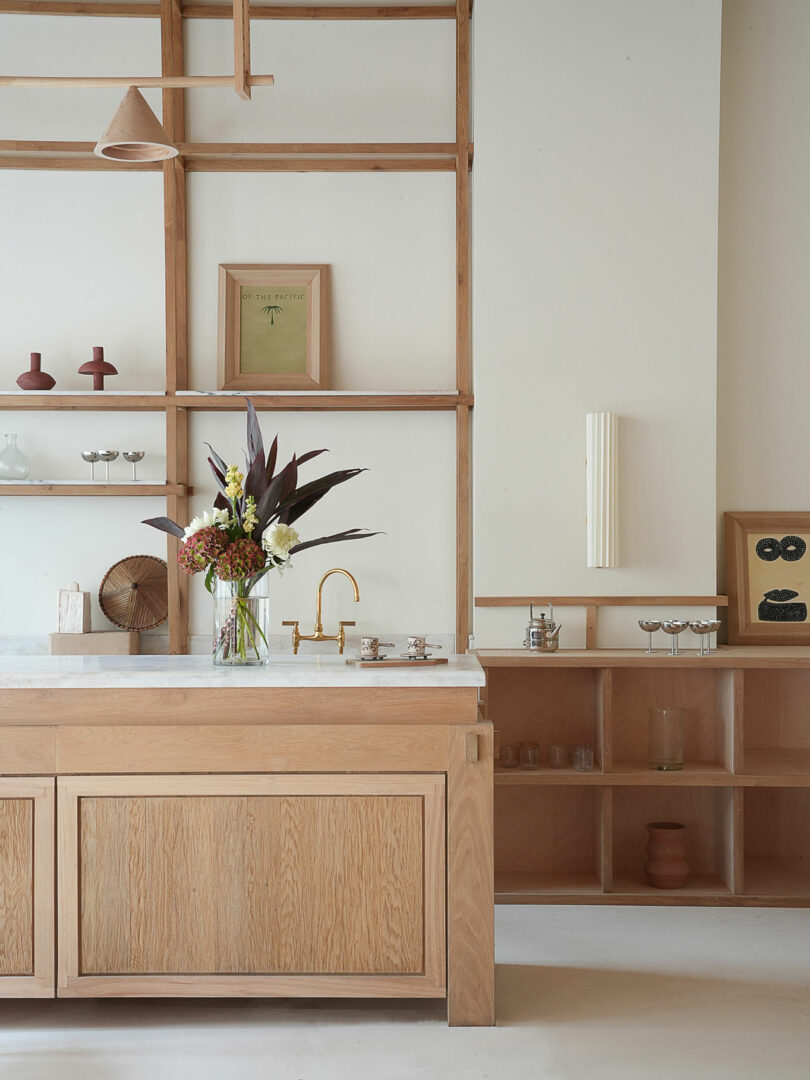
Forget the distressed white cabinets of the last decade. The new "Modern Farmhouse" utilizes eucalyptus cabinetry in a slim-shaker profile. The wood's smooth grain provides a perfect canvas for muted paint colors or can be left natural to showcase its pale, honeyed tones. I recommend pairing eucalyptus millwork with unlacquered brass hardware and honed marble countertops to lean into that "Quiet Luxury" aesthetic.
The Bedroom: The Restorative Retreat
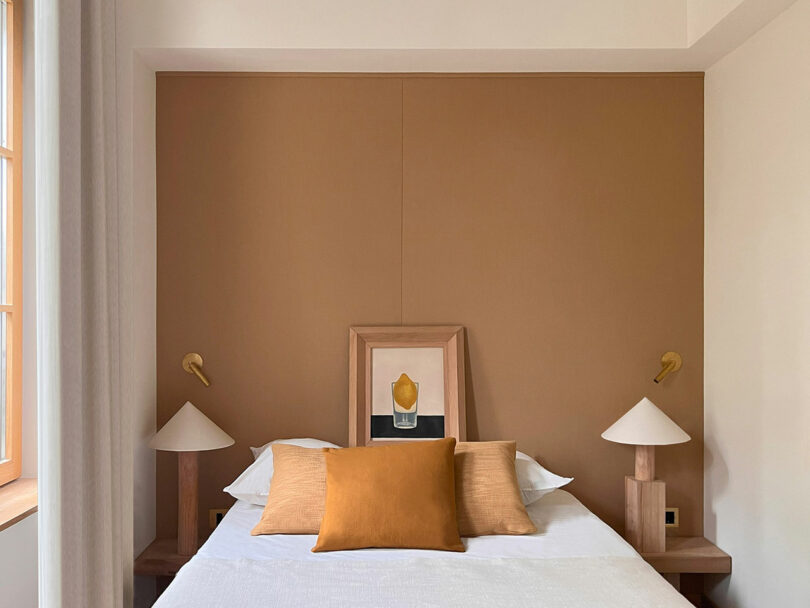
In the bedroom, the goal is "hotel-worthy." We are seeing a trend of pairing 'Warm Eucalyptus' painted walls with 'Degas Blue' linens and layered neutrals. A eucalyptus wood bed frame, with its characteristic sturdiness and clean lines, anchors the room. The wood brings an organic warmth that prevents the cool-toned walls from feeling sterile.
The Bathroom: Spa-Inspired Durability
Because eucalyptus is naturally resistant to rot and decay, it is the ideal choice for floating vanities and slatted shower mats. It brings the warmth of wood into a space usually dominated by cold tile and porcelain, instantly elevating a standard bathroom into a private spa.
Living Spaces: Architectural Statements
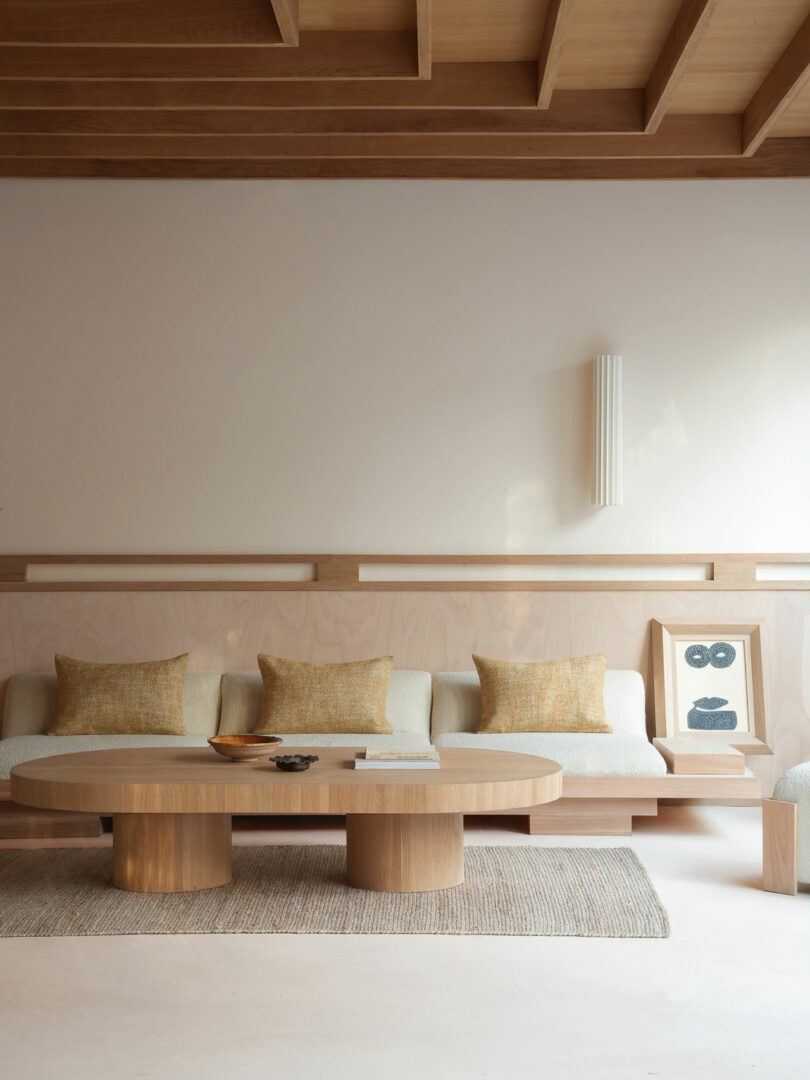
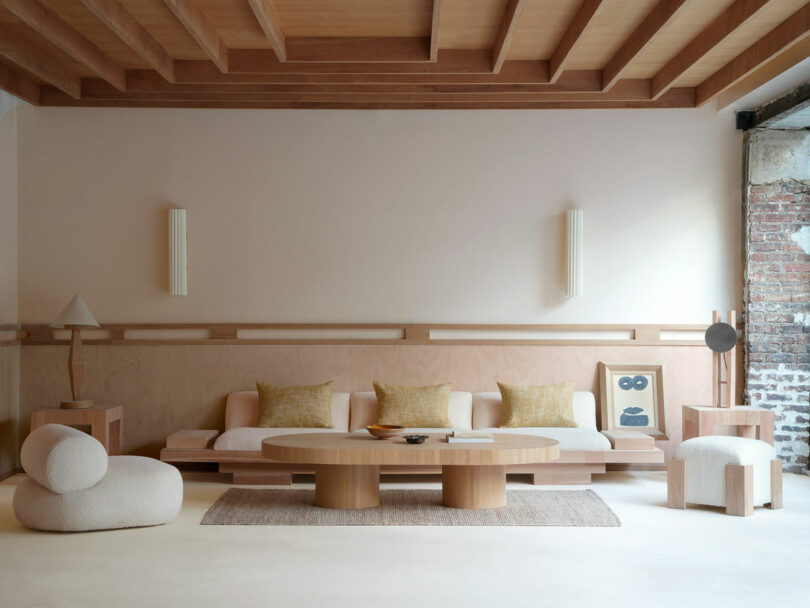
For larger living areas, look toward the Policronica design movement, which emphasizes geometry and material honesty. Custom eucalyptus furniture—think low-slung coffee tables or architectural ceiling slats—creates a sense of cohesive, high-end design. The wood’s ability to be milled into precise, sharp angles makes it a favorite for custom cabinetry and integrated shelving units.
Future-Proofing Your Home: The Longevity of Eucalyptus
One of the reasons I advocate for eucalyptus is its resistance to the "fast furniture" cycle. This isn't a material that you replace in five years. Its durability ensures that it ages gracefully, developing a slight patina over time that only adds to its character.
To maintain eucalyptus wood, treat it as you would any fine hardwood. A simple dusting and the occasional application of a high-quality wood wax will keep the grain supple and protected. Because of its density, it is less prone to the dings and scratches that plague softer woods like pine, making it a "future-proof" investment for high-traffic family homes.
FAQ
Is eucalyptus wood as strong as oak? Yes, many species of eucalyptus used in furniture, such as Eucalyptus grandis or Eucalyptus globulus, have a Janka hardness rating that meets or exceeds that of White Oak. This makes it incredibly durable for flooring and high-use furniture.
Does 'Warm Eucalyptus' color make a room look smaller? Because it contains significant blue and grey undertones, Warm Eucalyptus actually tends to make walls "recede," which can make a small room feel more expansive and airy rather than closed in.
Is eucalyptus furniture suitable for outdoor use? Absolutely. Its natural oils and high density make it highly resistant to weather, insects, and decay, which is why it has long been a favorite for high-end patio furniture.
The shift toward eucalyptus is a reflection of a larger movement in interior design: the realization that we do not have to sacrifice the health of our planet for the beauty of our homes. By choosing materials that are as technically proficient as they are aesthetically pleasing, we create spaces that aren't just modern—they are meaningful. Whether you are painting a focal wall in that signature 2026 green or investing in a custom-milled dining table, eucalyptus is the secret to a home that feels both warm and wise.